
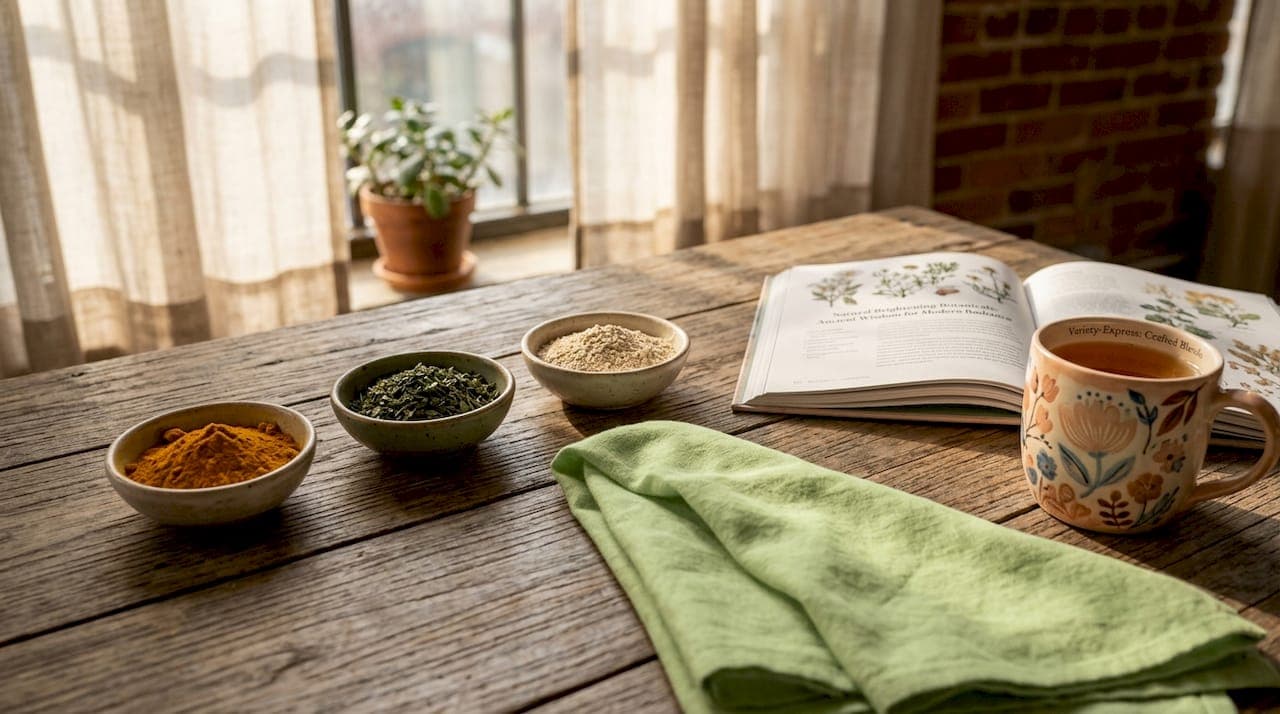
Natural brightening ingredients with deep cultural heritage are defined as plant-derived and mineral compounds used across generations by specific cultures to even skin tone, reduce hyperpigmentation, and enhance radiance. These are not folk myths. Thanaka from Myanmar, turmeric from South Asia, and argan oil from Morocco each carry centuries of documented use and measurable active compounds. What makes 2026 different is that modern dermatology now validates what these traditions knew intuitively, and brands like Variety-express are building on that foundation to serve women with melanin-rich skin who deserve both cultural respect and clinical results.
What are traditional natural brightening ingredients and their cultural significance?
The study of heritage beauty ingredients reveals that brightening was never just cosmetic. It was ceremonial, medicinal, and deeply tied to identity.
-
Thanaka (Myanmar): Ground from the bark of the Hesperethusa crenulata tree, thanaka paste is a 2,000-year-old natural brightening practice in Myanmar. Women and children apply it in geometric patterns on the face as both sun protection and a cultural marker. Scientific studies confirm its anti-inflammatory and brightening effects, driven by the active compound marmesin.
-
Turmeric (South Asia): Curcumin, the active compound in turmeric, has been used in Indian haldi ceremonies for centuries before weddings. It inhibits melanin synthesis and reduces inflammation. Turmeric is one of Variety-express's hero ingredients precisely because its cultural roots align with its proven efficacy for darker skin tones.
-
Argan oil (Morocco): Pressed from the kernels of the Argania spinosa tree, argan oil has been a Berber beauty staple for generations. It delivers vitamin E and phenolic compounds that protect against oxidative stress, a key driver of uneven skin tone.
-
Bearberry extract (Indigenous North America): Bearberry leaves contain arbutin, a natural tyrosinase inhibitor that slows melanin production. Indigenous communities used bearberry medicinally long before arbutin appeared in commercial skincare. Arbutin is another of Variety-express's core actives, connecting heritage beauty ingredients to modern formulation science.
What unites all of these is intergenerational transmission. Mothers taught daughters. Communities preserved knowledge through practice, not patents. That living continuity is what separates genuine cultural skincare practices from trend-driven marketing.
Pro Tip: When you use an ingredient like turmeric or bearberry extract, look for its standardized active compound on the label. Curcumin for turmeric, arbutin for bearberry. Standardization tells you the product contains enough of the active to actually work.
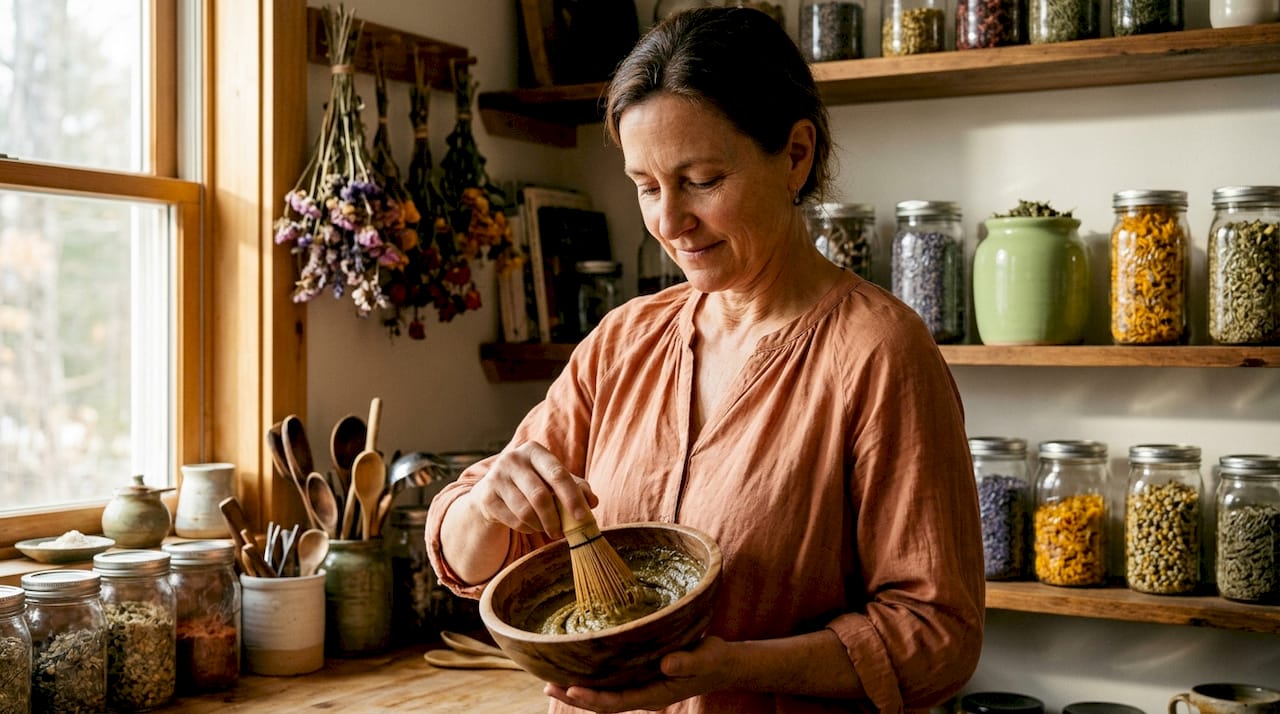
How do these ingredients work scientifically, and how do they compare with modern treatments?
Understanding the biology behind traditional brightening agents makes you a smarter consumer. Every effective brightener targets one or more steps in the melanin production pathway.
Active compounds and their mechanisms
Marmesin in thanaka inhibits tyrosinase, the enzyme that triggers melanin synthesis. Curcumin in turmeric suppresses melanogenesis and reduces the inflammation that worsens post-inflammatory hyperpigmentation, which is a primary concern for melanin-rich skin. Arbutin, derived from bearberry, hydrolyzes into hydroquinone at the skin surface but delivers the effect at lower concentrations and with significantly less irritation risk.
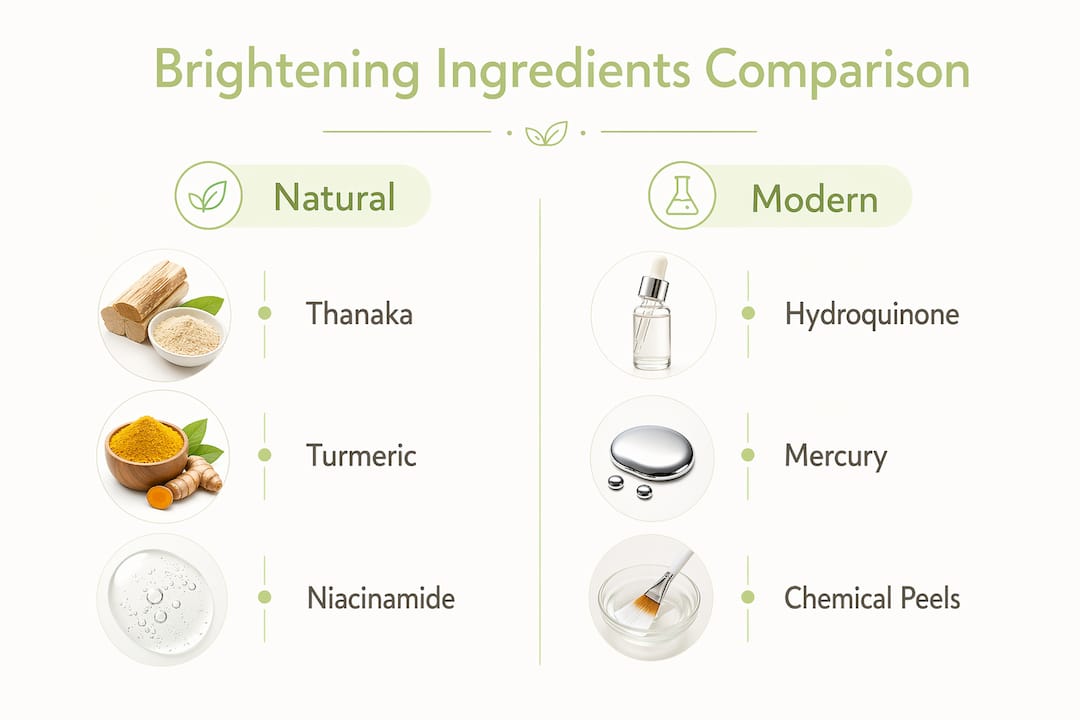
Niacinamide works differently. Rather than blocking melanin production, it inhibits melanosome transfer from melanocytes to keratinocytes. This makes it uniquely suited for inclusive skincare because it addresses pigmentation without triggering rebound darkening, a real risk with harsher agents on deeper skin tones.
Comparison: natural brighteners vs. conventional treatments
| Ingredient | Mechanism | Tolerability | Cultural origin |
|---|---|---|---|
| Thanaka (marmesin) | Tyrosinase inhibition, anti-inflammatory | High | Myanmar |
| Turmeric (curcumin) | Melanogenesis suppression | Moderate (can stain) | South Asia |
| Arbutin (bearberry) | Tyrosinase inhibition | High | Indigenous North America |
| Niacinamide | Melanosome transfer inhibition | Very high | Synthesized, not cultural |
| Hydroquinone 4% | Tyrosinase inhibition | Low to moderate | Pharmaceutical |
Topical 4% niacinamide delivers efficacy comparable to 4% hydroquinone with better tolerability and no reported cases of ochronosis, a permanent bluish-black skin discoloration linked to long-term hydroquinone use. That single fact reframes the entire conversation about what "effective" means for women with hyperpigmentation.
The risk side of this equation matters too. Mercury-containing skin-lightening products pose significant public health risks and remain widely used despite documented toxic effects. Some of these products are falsely marketed as traditional or natural. Knowing your ingredient list is not optional.
Pro Tip: If a brightening product promises dramatic results in days and does not list its active ingredients clearly, treat that as a red flag. Legitimate botanical brightening solutions list standardized actives, not just "natural extracts."
What safety practices and prerequisites make natural brightening work?
Incorporating ancient brightening remedies into a modern routine requires more than picking the right ingredient. The surrounding practices determine whether you get results or setbacks.
The single most important prerequisite is sun protection. A 2025 to 2026 global guideline recommends broad-spectrum SPF 50 or higher with both UVA and UVB filters, applied correctly and reapplied throughout the day. UV exposure drives melanogenesis. Without sun protection, even the most effective brightening ingredient is fighting a losing battle.
Here is what a safe foundation looks like before you add any brightening active:
- Broad-spectrum SPF 50+: Use a tinted sunscreen if you have medium to deep skin, since tinted formulas also block visible light, which triggers pigmentation in melanin-rich skin.
- Verified ingredient sourcing: Buy from brands that disclose their ingredient origins and concentrations. Unverified "natural" products are where mercury contamination hides.
- Patch testing: Apply any new ingredient to the inner arm for 48 hours before using it on your face. This applies to turmeric, kojic acid, and arbutin alike.
- Barrier support: Use a ceramide or hyaluronic acid moisturizer alongside brightening actives. A compromised barrier amplifies irritation and can worsen post-inflammatory hyperpigmentation.
- Realistic timelines: Melasma and hyperpigmentation require phased management. Expect an induction phase of 8 to 12 weeks before visible clearance, followed by a maintenance phase to prevent relapse.
Cultural respect is also a prerequisite, not an afterthought. Using thanaka or turmeric means engaging with living traditions. Learn the origin. Source ethically. Do not reduce a 2,000-year-old practice to an aesthetic trend.
How to build a daily routine with heritage brightening ingredients
A practical routine using natural extracts for brightening does not need to be complicated. Consistency and sequencing matter more than the number of products you use.
- Morning cleanse: Use a gentle, sulfate-free cleanser. Avoid stripping the skin barrier before applying actives.
- Brightening serum: Apply a niacinamide or arbutin serum to damp skin. Both absorb quickly and layer well under moisturizer.
- Moisturizer: Follow with a barrier-supporting moisturizer containing ceramides or hyaluronic acid.
- SPF 50+ sunscreen: This is non-negotiable. Apply generously and reapply every two hours if you are outdoors.
- Evening cleanse: Double cleanse if you wear sunscreen or makeup.
- Treatment mask (2 to 3 times weekly): Apply a turmeric or thanaka-based mask for 10 to 15 minutes. Rinse thoroughly. Turmeric can stain light-colored towels, so use a dedicated cloth.
- Overnight serum or oil: Argan oil or a vitamin C serum works well overnight when UV exposure is not a factor.
The most common mistake is overuse. Applying a turmeric mask daily causes irritation, not faster results. The second most common mistake is skipping sunscreen on cloudy days. Lifelong photoprotection is required in any brightening regimen because UV and visible light drive pigmentation relapse even when you are using effective actives.
| Routine step | Ingredient example | Frequency |
|---|---|---|
| Brightening serum | Niacinamide, arbutin | Daily, AM and PM |
| Treatment mask | Turmeric, thanaka paste | 2 to 3 times weekly |
| Overnight treatment | Vitamin C, argan oil | Nightly |
| Sun protection | SPF 50+ broad-spectrum | Every morning, reapply |
What are the common misconceptions about natural brightening from cultural traditions?
The biggest misconception is that "natural" means safe by default. It does not.
"Marketing natural or cultural ingredients does not guarantee safety. Public health efforts highlight that some skin-lightening products falsely marketed as traditional contain hazardous substances like mercury." — PAHO, 2026
Several other misconceptions cause real harm:
- One-time use produces lasting results. Brightening is a maintenance practice, not a cure. Stopping actives and sun protection allows pigmentation to return, often faster than it cleared.
- Traditional ingredients work without sun protection. Even thanaka, which offers mild natural sun protection, does not replace SPF 50+. Pairing cultural ingredients with modern sunscreen is what optimizes both safety and efficacy.
- Darker skin tones can tolerate harsher products. The opposite is true. Melanin-rich skin is more prone to post-inflammatory hyperpigmentation from irritation, making gentle, well-tolerated ingredients like niacinamide and arbutin the better choice.
- Cultural appropriation and cultural appreciation are the same thing. Using an ingredient from another culture without understanding its context, sourcing it ethically, or crediting its origin crosses into appropriation. Appreciation requires knowledge and respect.
The evidence-based approach to brightening combines the best of traditional wisdom with modern safety standards. Neither alone is sufficient.
Key takeaways
Heritage brightening ingredients work best when paired with modern photoprotection, verified sourcing, and phased, consistent application.
| Point | Details |
|---|---|
| Cultural origins carry real science | Thanaka, turmeric, and arbutin each have documented active compounds that inhibit melanin production. |
| Niacinamide matches hydroquinone safely | Topical 4% niacinamide equals 4% hydroquinone in efficacy with far better tolerability for diverse skin types. |
| SPF 50+ is non-negotiable | UV exposure drives pigmentation relapse regardless of which brightening active you use. |
| "Natural" does not mean safe | Mercury contamination in products marketed as traditional is a documented public health risk. |
| Maintenance prevents relapse | Brightening results require ongoing care, not a single treatment phase. |
Why I think the "natural vs. clinical" debate misses the point entirely
The conversation I keep hearing frames traditional brightening agents and modern dermatology as opposites. They are not. They are the same conversation happening in different languages.
When I look at what Variety-express is built on, ingredients like turmeric, arbutin, kojic acid, and glutathione, I see a direct line from ancient practice to current formulation science. Kojic acid was first isolated from Aspergillus oryzae in Japanese sake fermentation. Glutathione has roots in Southeast Asian beauty traditions. These are not synthetic inventions layered over cultural aesthetics. They are the active compounds that cultures identified through centuries of observation, now understood at the molecular level.
What I find genuinely underappreciated is the specificity of traditional knowledge. Thanaka is not just "a brightening paste." It is a precise preparation from a specific tree species, applied in specific patterns, at specific life stages. That level of specificity is what clinical research is designed to validate, and increasingly, it does. The women who developed these cultural skincare practices were observing outcomes across generations. That is a long-term study by any measure.
My honest concern is the safety gap. The women most likely to use culturally rooted brightening products are also the women most targeted by unregulated skin-lightening products containing mercury or undisclosed steroids. Education on photoprotection and ingredient transparency is not a luxury. It is the difference between a practice that honors heritage and one that causes lasting harm.
Explore your cultural connections. Use the ingredients your grandmothers used. Just do it with SPF 50+ and a clear ingredient label in hand.
— Variety
Discover Variety-express brightening skincare rooted in heritage
Variety-express formulates every product around the same ingredients that cultural traditions identified centuries ago, now standardized, tested, and priced between $10 and $30 so they are actually accessible.
The organic brightening skincare range includes arbutin, turmeric, kojic acid, and glutathione formulations designed specifically for women with hyperpigmentation, dark spots, and uneven skin tone on melanin-rich skin. Every SKU is built for the at-home spa experience the brand promises, without the ingredient ambiguity that makes so many "natural" products risky. Browse the full product range at Variety-express and find the formulation that fits your skin's story.
FAQ
What is thanaka and why is it used for brightening?
Thanaka is a paste ground from the bark of the Hesperethusa crenulata tree, used in Myanmar for over 2,000 years. Its active compound marmesin inhibits tyrosinase, reducing melanin production while also providing mild sun protection and anti-inflammatory benefits.
Is niacinamide better than hydroquinone for hyperpigmentation?
Topical 4% niacinamide delivers comparable depigmenting results to 4% hydroquinone with significantly better tolerability and no risk of ochronosis, making it the preferred choice for long-term maintenance on diverse skin types.
How long does it take to see results from natural brightening ingredients?
Clinical practice indicates an induction phase of 8 to 12 weeks for visible clearance, followed by an ongoing maintenance phase. Skipping sun protection during this period causes pigmentation to return regardless of which active you use.
Can natural brightening products contain harmful ingredients?
Yes. Some products marketed as traditional or natural contain mercury, which poses serious toxic risks. Always verify that a product lists its active ingredients clearly and comes from a brand with transparent sourcing practices.
How do I use turmeric safely for skin brightening?
Apply a turmeric-based mask two to three times per week for 10 to 15 minutes, then rinse thoroughly. Follow with a barrier moisturizer and SPF 50+ the next morning. Daily use increases irritation risk without improving results.